
Home / Healthcare Facility Licensing
Healthcare facility licensing in the UAE is a mandatory legal process that ensures hospitals, clinics, laboratories, and pharmacies operate safely and meet all regulatory standards. Licensing verifies that your facility complies with local health authorities such as the Dubai Health Authority (DHA), Ministry of Health and Prevention (MOHAP), and Department of Health Abu Dhabi (DOH). A valid license not only allows you to operate legally but also builds trust among patients and stakeholders.
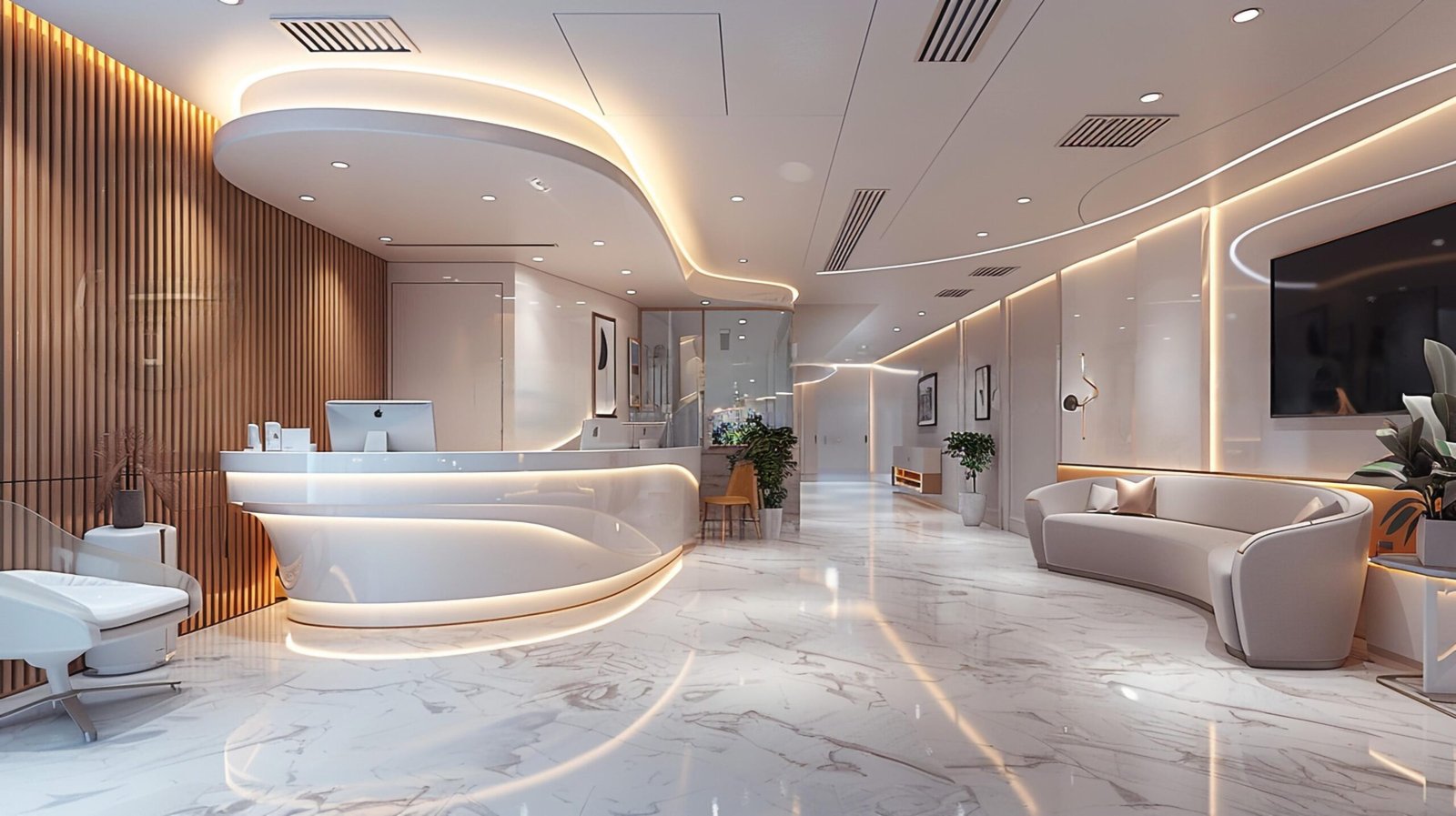
Healthcare facilities in the UAE must comply with strict regulations set by federal and local authorities to ensure patient safety, quality care, and legal compliance. Understanding the key regulatory bodies is essential for successfully obtaining your DHA approval in Dubai, MOHAP license in UAE, or DOH hospital licensing in Abu Dhabi.
The Dubai Health Authority (DHA) regulates healthcare services within Dubai. DHA approval ensures that hospitals, clinics, laboratories, and pharmacies meet safety standards, operational requirements, and professional qualifications. Healthcare providers seeking to operate in Dubai must secure DHA licensing before offering any medical services. DHA also oversees inspections, renewals, and compliance monitoring.

The Ministry of Health and Prevention (MOHAP) governs healthcare facilities at the federal level and in some Emirates outside Dubai and Abu Dhabi. Facilities must obtain a MOHAP license in the UAE to legally provide healthcare services. MOHAP ensures that medical centers, hospitals, and pharmacies adhere to national healthcare policies, quality standards, and patient safety guidelines.
The Department of Health – Abu Dhabi (DOH) regulates all healthcare services in the Emirate of Abu Dhabi. Securing a DOH hospital license or clinic license is mandatory for operating in Abu Dhabi. DOH monitors facility compliance, issues licenses, and sets protocols for inspections, certifications, and renewals.
Some Emirates may have additional local authorities or municipal bodies responsible for specific healthcare services, such as laboratory approvals or radiology services. It is crucial to check local requirements to ensure complete compliance.
Compliance with these regulatory authorities is the foundation for legally operating a healthcare facility in the UAE, while also paving the way for international accreditation and trust among patients.
Setting up a healthcare facility in the UAE involves multiple steps to ensure full compliance with regulatory standards. Following a structured licensing process not only simplifies approvals but also ensures a smooth operational launch for your hospital, clinic, or pharmacy.
Before applying for any license, your facility must meet the design and layout requirements specified by local authorities. This includes compliance with infection control, patient flow, safety standards, and accessibility regulations. Proper planning ensures that the building layout, interior fit-out, and medical equipment placements meet DHA, DOH, or MOHAP standards for healthcare operations.

Comprehensive documentation is required for all regulatory approvals. Typical documents include but not limited to:
Submitting a complete and accurate set of documents accelerates approvals from DHA, DOH, MOHAP, Dubai Municipality, and Civil Defence, helping you launch your clinic or hospital on schedule.
Obtaining a healthcare facility license in the UAE requires strict adherence to regulatory standards set by authorities such as DHA, MOHAP, and DOH. Meeting these mandatory requirements ensures patient safety, operational efficiency, and compliance with healthcare compliance UAE regulations.
Healthcare facilities must meet specific infrastructure and design standards, including:
Regulatory authorities require that healthcare facilities employ qualified and licensed personnel. Key requirements include:
Appointing a qualified Medical Director is a mandatory requirement for hospital or clinic licensing in the UAE. The Medical Director must be a licensed physician (MBBS or equivalent), with clinical and administrative experience. They are responsible for overseeing medical operations, ensuring compliance with DHA, DOH, or MOHAP regulations, supervising staff credentialing, maintaining quality and patient safety standards, and participating in inspections and audits.
Facilities must demonstrate preparedness for emergencies and compliance with safety regulations:
Navigating the healthcare licensing process in the UAE can be complex, with multiple authorities, stringent requirements, and detailed documentation. Understanding common challenges and solutions can help streamline approvals and ensure your facility is operational without unnecessary delays.
Engaging a professional healthcare consultant in Dubai or healthcare licensing expert can save significant time and effort. Consultants guide facilities through every step, from document preparation and submission to regulatory coordination, ensuring compliance and faster approvals. They also provide valuable insights into authority-specific requirements and help avoid common pitfalls.
By addressing these healthcare licensing challenges in the UAE with proactive planning and expert guidance, facilities can achieve smoother, faster approvals while maintaining compliance and operational readiness.
Preliminary approval usually takes 2–3 weeks, during which the DHA reviews your application, submitted documents, and compliance with licensing requirements. Final approval is granted once your facility is fully prepared, including all required equipment, infrastructure, and trained staff, and after successful inspections by DHA officials.
Partnering with a professional consultant can help ensure that documentation is complete, standards are met, and the overall licensing process is faster and smoother.
For MOHAP approval UAE or DOH hospital licensing, common documents include but not limited to:
No. Regulatory authorities require that the facility meets minimum infrastructure standards, including proper layout, equipment installation, and safety compliance, before issuing a license. Preliminary approvals may be obtained during the planning phase, but final licensing requires a completed fit-out.
Licensing ensures that your facility legally complies with local regulations and minimum safety standards. Accreditation (e.g., JCI or ISO) is a voluntary process demonstrating that your facility meets international quality and patient safety standards. Both add credibility, but only licensing allows legal operation.
All healthcare facilities, such as hospitals and specialty clinics, must appoint a qualified Medical Director. Their credentials and UAE professional license must be submitted as part of the application
No. Operating without DHA approval Dubai is illegal and can result in fines, closure orders, or other penalties. All healthcare facilities in Dubai must secure a valid DHA license before commencing operations.
Evolve Consultants LLC is a leading healthcare consulting firm specializing in comprehensive solutions for healthcare facility licensing, regulatory compliance, quality improvement, and accreditation preparation across the UAE and the Middle East.