Home / Medical Equipment Planning
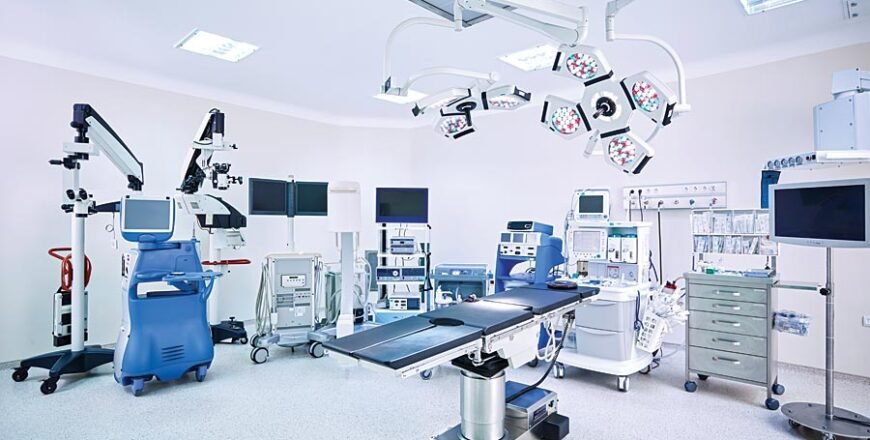
This process ensures that every piece of equipment — from diagnostic imaging systems, surgical instruments, and patient monitoring devices to laboratory analyzers and sterilization units — is carefully evaluated, safely installed, and functionally verified before clinical operation.
Effective medical equipment planning aligns clinical requirements, patient safety protocols, workflow efficiency, and regulatory compliance with the overall healthcare delivery model. It goes beyond procurement — it’s about ensuring that technology integration supports optimal patient outcomes, evidence-based practices, and sustainable hospital operations.
In healthcare, even minor errors in equipment selection or setup can lead to operational inefficiencies, increased costs, or, worst of all, compromise patient safety. Proper planning ensures that the right equipment is available where and when it’s needed, integrates seamlessly with existing systems, and supports staff in delivering high-quality care. For hospitals and clinics, this translates into smoother operations, faster service delivery, and reduced risk of errors.
Investing in professional equipment planning and commissioning offers multiple advantages:
In short, medical equipment planning is not just a technical requirement—it’s a cornerstone of safe, efficient, and modern healthcare delivery.

Setting up a healthcare facility in the UAE involves multiple steps to ensure full compliance with regulatory standards. Following a structured licensing process not only simplifies approvals but also ensures a smooth operational launch for your hospital, clinic, or pharmacy.
A successful equipment commissioning process depends on meticulous documentation. Facilities must maintain detailed records of specifications, installation reports, calibration certificates, and maintenance schedules. These documents are crucial for:
Proper adherence to regulatory standards not only safeguards patient care but also builds trust and credibility for your healthcare facility.
Room Data Sheets (RDS) are detailed documents that outline the specific requirements for each clinical room in a healthcare facility. They include information on equipment, utilities, space dimensions, workflow, and safety needs. RDS are essential because they guide architects, engineers, and medical planners to design rooms that are fully functional, compliant with healthcare standards, and tailored to clinical needs.
Effective planning of clinical spaces ensures that every department—from operating theatres to laboratories and diagnostic imaging rooms—is optimized for performance. Proper layouts account for equipment placement, staff movement, patient accessibility, and emergency protocols. Thoughtful design prevents overcrowding, reduces operational bottlenecks, and enhances overall efficiency.
Well-designed layouts directly impact patient experience, staff productivity, and safety. Key considerations include:
By integrating Room Data Sheets with smart space planning, healthcare facilities can deliver high-quality care while maximizing operational efficiency and safety.
Obtaining a healthcare facility license in the UAE requires strict adherence to regulatory standards set by authorities such as DHA, MOHAP, and DOH. Meeting these mandatory requirements ensures patient safety, operational efficiency, and compliance with healthcare compliance UAE regulations.
Proper installation is the foundation of safe and efficient medical equipment use. A structured approach ensures every device is set up according to manufacturer guidelines and clinical requirements. Key steps include infrastructure readiness, equipment placement and alignment, secure installation or mounting, and integration with essential utility systems such as electrical, medical gases, and data networks..
Once installed, equipment must undergo thorough calibration, validation, and testing. This guarantees that devices operate accurately, safely, and consistently. Regular verification ensures compliance with manufacturer specifications, local regulations, and international standards such as ISO and FDA.
Optimal environmental conditions are critical for medical equipment longevity and performance. Proper humidity, temperature, lighting, and ventilation levels prevent malfunctions, reduce wear and tear, and maintain patient safety. Special rooms like ICUs, labs, and imaging suites require stricter control measures.
Medical equipment often requires stable power supply and backup solutions to prevent interruptions during critical care. Planning includes:
A professionally managed installation and commissioning process ensures that all medical devices are fully operational, safe, and ready for clinical use, ultimately enhancing patient care and facility efficiency.
Evolve Consultants LLC is a leading healthcare consulting firm specializing in comprehensive solutions for healthcare facility licensing, regulatory compliance, quality improvement, and accreditation preparation across the UAE and the Middle East.